Barcelona Boat Charter in 2026: Day Boats, Luxury Yachts or Superyachts — A Practical Guide for German Travellers
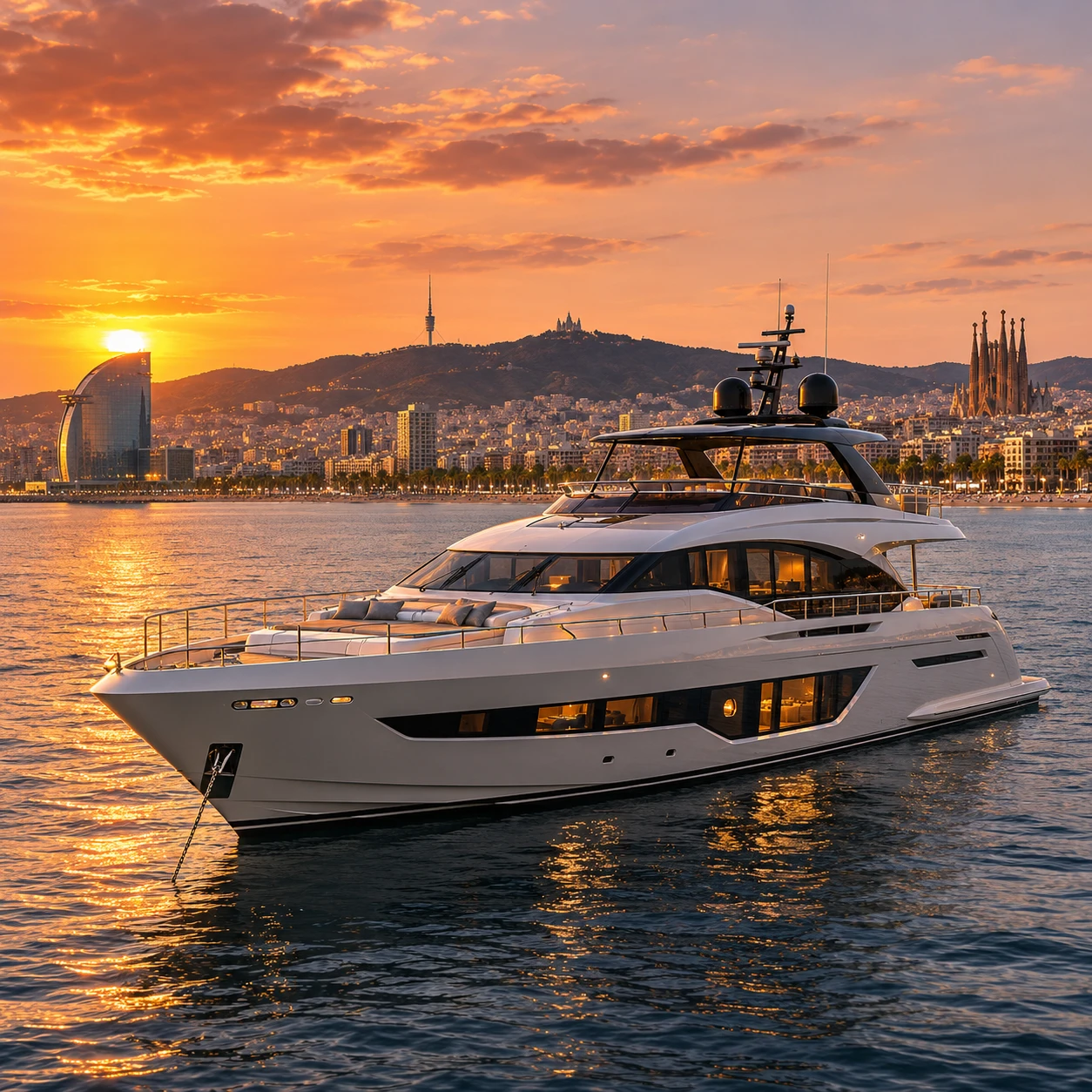
First time I took a boat out of Port Vell, the water wasn't what caught me. It was how fast the city turned into something you look at instead of walk through. Ten minutes past the breakwater — the Gothic Quarter crowds, the tour groups on Las Ramblas, the queue at the Picasso Museum — all of it flattens into a thin strip of pale stone along the horizon. Ahead there's only blue. And somewhere off the Costa de Barcelona there's a cove where you can drop anchor and swim in water that's actually clear.
That small shift is the whole point of a private charter. In 2026 you've got more ways in than ever: small bareboat day boats, crewed motor yachts, and full superyachts that occasionally take a day booking. The decision isn't 'which boat is best.' It's which boat fits your group, your occasion, your budget.
And I've written this with German travellers in mind, because booking from Munich, Hamburg or Cologne throws up a few things that never come up when you charter on the Baltic or in Croatia.
Why Barcelona Works So Well for a Private Day on the Mediterranean
Geography does most of the work here. The marinas sit right up against the city — Port Vell at the bottom of the Ramblas, Port Olímpic a bit further along the coast, a handful of smaller bases towards the Besòs and beyond. You step out of a taxi and onto a pontoon in under five minutes. No transfer bus. No two-hour drive to some harbour town.
Open water is a short run from the main marinas too. Half a day genuinely gets you a swim, a meal, and back in the city for dinner. Which matters if you're on a four-night city break and don't want to burn an entire day on logistics.
The season runs roughly May to October. June and September are the sweet spot for me — warm water, dependable sunshine, and prices that haven't yet jumped to August levels. July and August are magnificent but crowded, on the water and in the marina both.
Why do Germans in particular end up here? Direct flights from most major German airports. The EU framework — no currency hassle, no passport faff, EHIC card in your wallet. And the airport is twenty minutes from the boat. Compare that with chartering in Turkey or the Caribbean and the difference in friction is enormous.
When to Go — Season, Weather and Sea Conditions
May is fresh but lovely — water around 18–20°C, quiet marinas, cheaper rates. June warms up properly. July and August are hot and busy, sea temperatures in the mid twenties. September might be the best month of the lot: warm water, thinner crowds, a relaxed feel as the city empties out. October is still pleasant, but the wind picks up and some operators wind down.
One local pattern worth knowing: the garbí. A thermal breeze that builds through the afternoon and can have the sea choppy by three or four o'clock. Morning departures are almost always calmer — better swimming, better lunch at anchor, easier on anyone prone to seasickness. If an afternoon is all you can get, say so when you enquire. A good operator will route you to sheltered water.
Day Boats, Luxury Yachts or Superyachts — Which Is Right for You?
Three tiers, three completely different days. Here's how they break down by group size, comfort and budget.
Day Boats — Simple, Flexible, Best Value
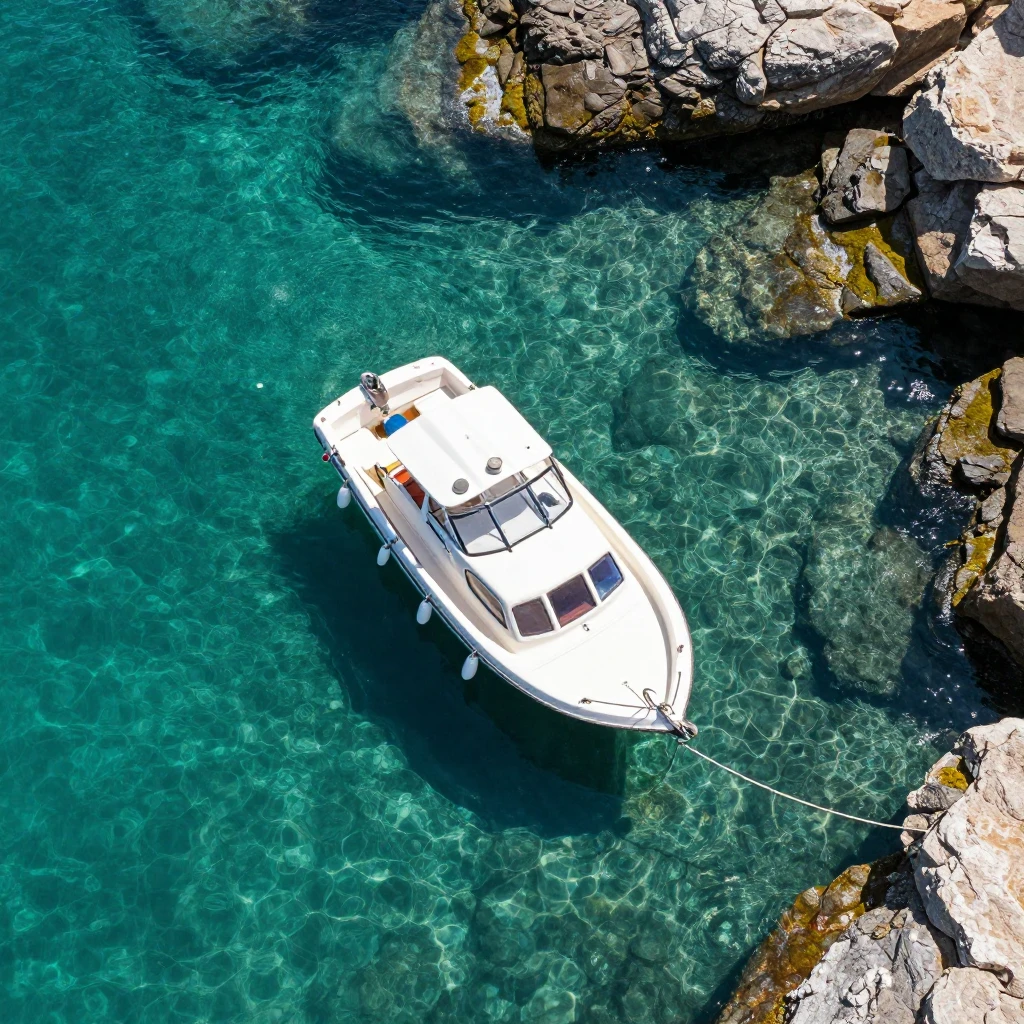
A day boat is exactly what it sounds like: a smaller motorboat or modest cruiser, usually licensed for six to ten guests, often without crew. You get a hull, an engine, a sun pad and a swim ladder. Someone from the charter company walks you through the controls and the local rules, and off you go.
This is the tier I'd point families with older children at, and small groups of friends who mainly want to swim, moor up somewhere quiet and open a cool box. It's also the most affordable way onto the water by a wide margin. If that sounds like your trip, start with day boats for a private Barcelona outing — it's the logical gateway into the whole category.
Luxury Yachts — Crew, Comfort and Space
Step up and you get a skipper, a sun deck, a shaded dining area, a proper galley, and usually a few water toys — paddleboards, a towable ring, snorkelling kit. The skipper handles navigation, anchoring and the itinerary, which means nobody in your group spends the day worrying about the engine.
This tier suits celebrations, business hosting, and mixed groups where some people want to sunbathe while others want shade, lunch and a glass of something cold. A typical day includes the boat, the crew, and often soft drinks and a simple lunch. Check, though — inclusions vary wildly between providers.
Superyachts — When the Occasion Calls for It
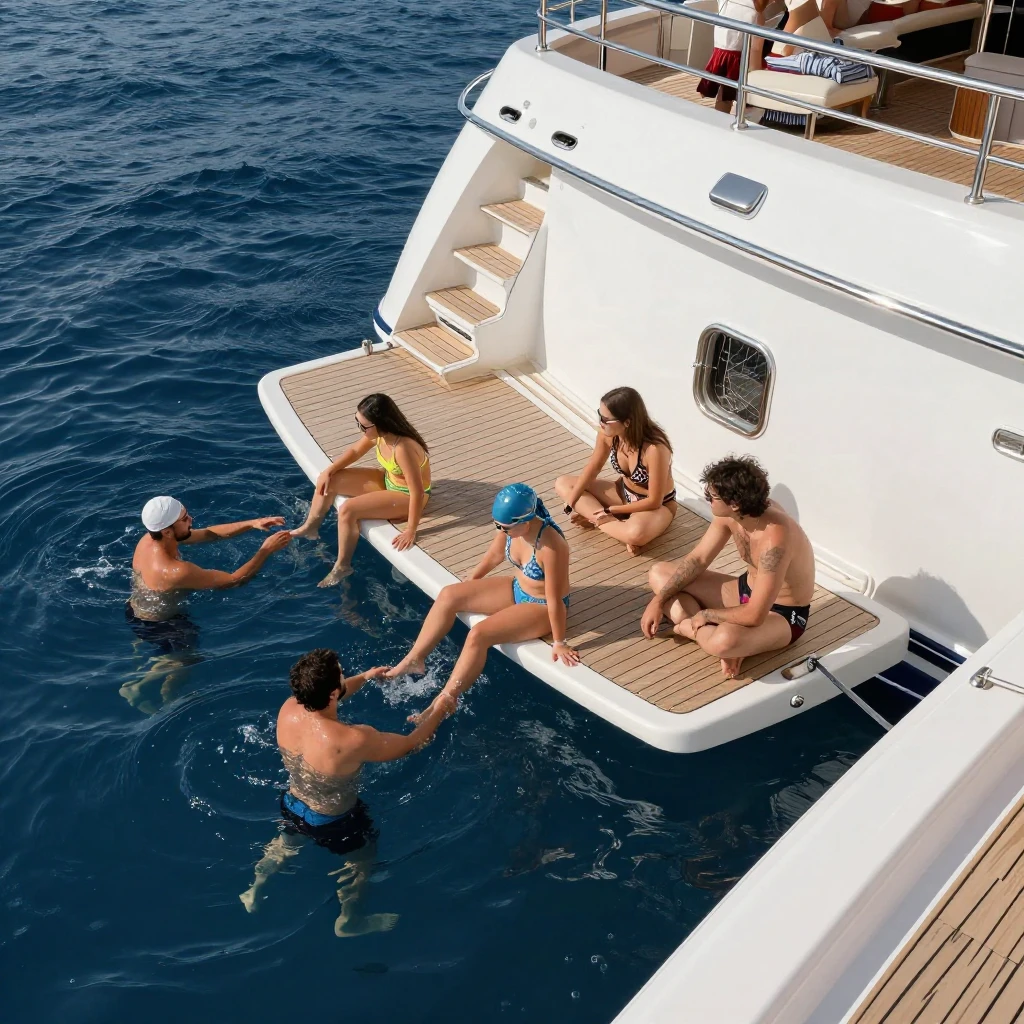
I'll be honest about this tier: superyachts are a different category of experience and a different category of commitment. Multiple decks. A full crew of six or more, professional catering, service standards you'd recognise from a good hotel. Many operate on weekly minimums, and day charters exist but are limited — usually a gap in the schedule, and they get snapped up months ahead.
If you're curious, superyacht charter Barcelona is the natural place to start exploring what's actually available. From there, https://barcelonaluxyachtcharter.es/yacht/ lets you compare the tiers side by side, which is honestly the fastest way to see where your budget lands.
What a Private Charter Costs in 2026 — And What Is Included
I'm always wary of single headline figures, because the spread is enormous. Rough bands for a full day in 2026:
- Day boats: the lower end of the market — the entry point for private boating.
- Crewed luxury yachts: the mid range, roughly double to triple a day boat once crew and inclusions are factored in.
- Superyachts: well above both, and often quoted per week rather than per day.
What drives the number is the component list: base charter fee, skipper and crew, fuel, VAT, catering and drinks, water toys, and port or mooring fees. Some quotes bundle everything. Others quote you the hull and then add the rest on top.
The extras German bookers most often overlook: fuel surcharges on longer routes (a run to a distant cove can add meaningfully), catering minimums or corkage fees if you bring your own wine, and gratuity — not obligatory in Spain, but customary at around five to ten percent on crewed charters.
And always ask the VAT question directly. A price quoted 'exclusive of IVA' versus one that's final can flip the comparison between two providers entirely.
Planning the Day — Routes, Timing and Harbour Logistics
A realistic day starts around ten in the morning. You arrive early — fifteen minutes minimum — because marina gates, pontoon walks and the safety briefing all eat time. Soft bag rather than a hard suitcase, shoes with light soles (deck scratches get charged for), high-factor sun cream, a hat, and a light layer for the return when the wind picks up.
I've watched people turn up with hard-shell cases and nowhere to stow them. Learn from that. Pack as if you're going to a beach club, not an airport.
Out past the breakwater, the coastline runs north towards the Maresme and south towards the Garraf. Both directions offer anchorages, swim stops and a choice of lunch spots. The skipper sets the route based on sea conditions on the day. That's not evasion, it's how it works, and it's why the best days are the ones where you let the professional make the call.
A Sample Itinerary for a Full Day
Ten o'clock departure, motor out past the breakwater, twenty minutes to the first swim stop. Anchor down, swim, snorkel, coffee. Eleven thirty, a longer run along the coast. One o'clock, lunch at anchor in a sheltered bay, or ashore if you've booked a restaurant. Two thirty to four, anchor time — paddleboards, swimming, doing nothing at all. Four thirty, heading back. Five thirty, alongside. On a superyacht the same rhythm applies, but lunch is served rather than unpacked, and there's a steward to hand you a towel.
Booking from Germany — Contracts, Deposits and What to Check
Booking online from Germany is straightforward. Expect a deposit — typically thirty to fifty percent — with the balance due before departure. Card and bank transfer are both widely accepted; some operators prefer SEPA transfers, which can take a couple of days, so don't leave payment to the morning of the charter.
Charter agreements are usually in English or Spanish. Ask for the cancellation terms in writing before you pay, and read them properly. Day boats often have flexible terms. Yachts and superyachts frequently don't, and weather-related cancellations may be handled differently from a change of plan on your side. Check whether your travel insurance or a credit card covers a cancellation of this kind.
On licensing: a German recreational boating licence (Sportbootführerschein See) is generally recognised for bareboat charters where the operator permits bareboating at all, but many Barcelona operators require a skipper regardless — and for most visitors, having one is the better experience anyway. Confirm this in writing rather than assuming.
Common Mistakes to Avoid
- Booking late for August — the good boats go first, sometimes by March.
- Underestimating group size limits; ten guests means ten, not eleven.
- Assuming fuel, catering and drinks are included when they're not.
- Treating the itinerary as fixed — sea conditions rewrite plans.
- Choosing the biggest boat available when a smaller one suits your group better.
- Paying a deposit before reading the cancellation policy.
Conclusion
If I had to compress the whole decision into one line: day boats for simplicity and value, luxury yachts for comfort and crew, superyachts for the occasion that genuinely justifies it. Match the vessel to the group rather than the other way round, and the day takes care of itself.
For 2026 peak dates — late June, all of August, early September — book early and confirm availability before you build the rest of the trip around it. And treat the day on the water as the centrepiece rather than an add-on. The city will still be there when you get back, slightly smaller on the horizon, and you'll have seen it the way it's meant to be seen.