Beyond the Basics: Exploring Versatile and Effective Tent Stake Alternatives for Every Camping Adventure
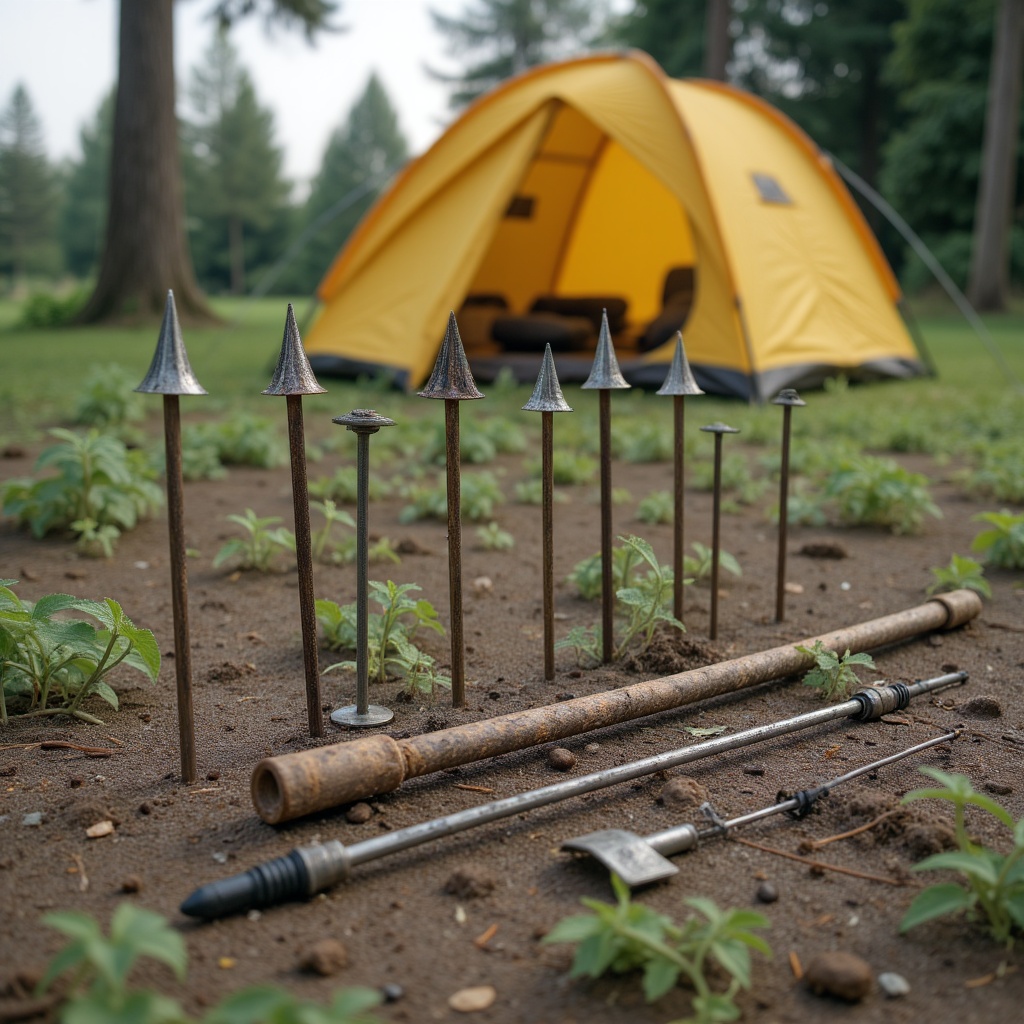
There is nothing—and I mean nothing—quite like the feeling of setting up camp. Wild place. Beautiful view. Ideally, anyway. Honestly? That sense of peace can turn to anxiety pretty fast. Pure panic, really, if your tent decides to go for a walk. While the basic tent stakes that come with your shelter are usually... fine? For mild conditions. Maybe. But my experiences over the years—learned this the hard way back in '09—have taught me that relying solely on them is a gamble. A bad one. It leads to dangerous situations when nature gets feisty. It's time to look beyond the basic stakes. We need to explore the myriad of versatile, effective alternatives for every camping adventure. Because waking up in a collapsed tent isn't the vibe.
Why Go Beyond Standard Tent Stakes?
You might be thinking, 'Why bother? My tent came with stakes.' Fair question. I asked myself the same thing early on. Why spend the money? But as I ventured into more diverse landscapes—sandy beaches, rocky alpine zones, snow-covered plains—I realized the limitations. Those standard, often flimsy pegs? They're weak. Garbage, sometimes. They aren't designed to handle the 98 different curveballs Mother Nature throws. Understanding these shortcomings is the first step toward a secure experience. Or at least a night where you aren't chasing your rainfly down a hill in your socks.
Common Challenges with Basic Stakes
The issues are surprisingly common. I've personally seen basic stakes bend into pretzels when trying to penetrate moderately hard ground. Rendering them useless. Completely. Conversely... on soft, sandy soil? They provide zero grip. A gust of wind pulls them free like a loose tooth. Leaving your tent flailing. And when it comes to extreme weather—high winds, heavy snow—those slender pegs are simply not up to the task. It leads to damage. Or an uncomfortable, sleepless night. Not fun. At all.
Understanding Different Ground Types and Their Demands
One of the biggest lessons I've learned is that the ground beneath your tent is just as important as the tent itself. Stability starts down there. Different ground types present unique challenges. A 'one size fits all' approach? It simply doesn't cut it. From shifting desert sands to compact forest floors... solid rock peaks to deep winter snow. Each environment demands a specific approach. When facing diverse terrains, understanding robust stake alternatives becomes crucial for maintaining a secure camp, as resources like anotherroute.co.uk highlight. Ignore the ground, and you'll pay for it.
Innovative Tent Stake Alternatives for Every Terrain
Thankfully, camping gear has evolved. Far beyond those basic aluminum pegs. There's a fantastic array of innovative solutions out there now. Each designed to tackle specific conditions. Let's dive into my personal favorites—tools that can actually transform your pitching game. (And save your sanity).
Anchors for Soft Ground (Sand & Snow)
When dealing with exceptionally soft terrain—sand dunes, deep snow—conventional stakes are practically useless. This is where specialized anchors shine. I always carry large, wide plastic sand/snow anchors. They offer a massive surface area. Harder to pull out. For deeper snow... deadman anchors are ingenious. You bury a stuff sack, a log, maybe a branch horizontally. Connect the guy line. Done. Snow pegs, which are longer and wider (often a 'T' profile), also provide excellent grip in compacted snow. Simple physics, really.
Solutions for Hard or Rocky Ground
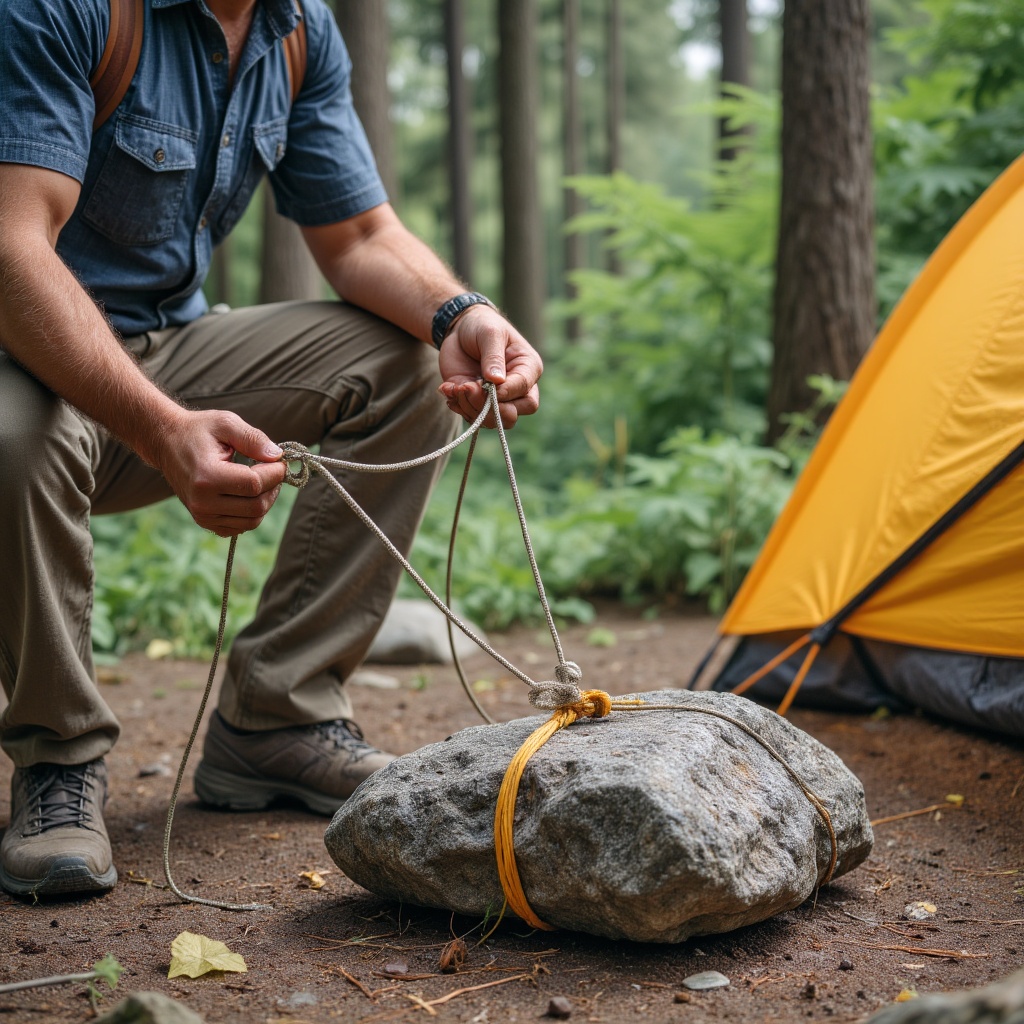
Hard-packed dirt. Rocky terrain. Incredibly frustrating. Trying to hammer a flimsy stake into solid ground is a recipe for bent metal. And rage. So much rage. For these conditions, I turn to heavy-duty steel stakes. Rebar stakes. 'Rock pegs.' Their robust construction allows them to withstand forceful hammering without turning into a boomerang. In situations where stakes just won't go in—and it happens, believe me—I've found rock anchors or natural features to be lifesavers. Use large, heavy rocks. Wrap lines around sturdy trees. It provides a secure hold without needing to penetrate the ground.
Versatile and Improvised Options
Sometimes, despite planning, you find yourself in a situation where your specialized stakes aren't right. Or you need a backup. This is where versatility comes in. Improvisation. Guying around trees, if available, is reliable. Especially in wind. Just remember to use tree-friendly straps or padding. Don't be that guy who ruins the tree. Please. For smaller shelters or in a pinch, I've used heavy objects—large rocks, sturdy logs—burying them slightly or piling rocks on top. A bit of creativity goes a long way!
Best Practices for Secure Tent Anchoring
Having the right tools is only half the battle. Knowing how to use them? Equally important. Even with the best alternatives, poor technique compromises stability. I've developed a few best practices over the years—mostly through trial and error—that ensure my tent stays put. No matter what.
Proper Guy Line Tensioning and Angle
The mechanics of guying are crucial. For stability, guy lines should be tensioned taut. But not snapping-tight. They should extend from the tent at an angle of roughly 45 degrees. This maximizes downward force resistance. Prevents the stake from being pulled straight out. I always ensure lines are free of twists and kinks. I use adjustable tensioners for perfect tautness. Regular checks—especially during changing weather—are key. Just check them.
Common Mistakes to Avoid When Anchoring Your Tent
Even experienced campers make mistakes. I've certainly made my share! One of the most common errors is inadequate stake depth. Thinking that just poking the stake into the ground is enough. It's not. Deeper is better. Another mistake? Incorrect angles. Stakes driven straight down or too horizontally won't provide resistance. Finally, choosing the wrong stake for the ground type. Trying to force a thin aluminum stake into rocky soil? Or expecting a short peg to hold in sand? It will inevitably lead to disappointment. And a collapsed tent.
Conclusion
Venturing beyond basic tent stakes opens up possibilities. A more secure, comfortable, enjoyable experience. By understanding the demands of different ground types and equipping ourselves with a versatile array of stake alternatives, we can confidently face challenges. From specialized sand anchors to heavy-duty rock pegs. Improvised solutions too. Being prepared is key. So, next time you pack, think about where you're going. Think about what you might encounter. A little extra thought makes the difference between a restless night battling your tent... and a peaceful slumber under the stars.