Online Casinos Without Verification in 2026: What German Players Need to Know Before Signing Up
I've been watching the online gambling industry long enough to notice when something genuinely shifts — not just a blip, but a real change in how players think and behave. And right now, in 2026, that shift is unmistakable: German players are hunting for online casinos without verification in numbers I haven't seen before. The appetite for privacy-first gambling has exploded, fueled by a frustration with slow onboarding and what many players describe as unnecessary bureaucracy. But underneath that appetite sits a real tension — the convenience people want versus the compliance rules that govern this market.
If you're thinking about skipping the standard sign-up process, you need to go in with clear eyes. I'll walk you through how no-verification casinos actually work, why they've become so popular in Germany specifically, what the legal picture looks like for you as a resident, and what you can realistically do to protect yourself if you decide to play on these platforms.
What Is a No-Verification Casino and How Does It Work?
A 'no-verification' or 'no-KYC' casino — KYC standing for Know Your Customer — is a platform where you can register, deposit, play, and often cash out without ever handing over a single identity document. Standard casinos want a passport scan, a utility bill, sometimes even bank statements before they'll release your winnings. No-KYC platforms cut through all of that, at least in the early stages.
But they're not all the same animal. Fully anonymous casinos, the ones built almost entirely on blockchain infrastructure, won't ask for your name or your address — ever. Crypto-first platforms might collect an email and a password, nothing beyond that. Then there's a third type worth knowing about: hybrid casinos that delay verification rather than eliminate it. They let you play freely until your withdrawals cross a certain threshold, at which point the ID request arrives. Fast at first, then suddenly not.
KYC vs. No-KYC — The Core Difference
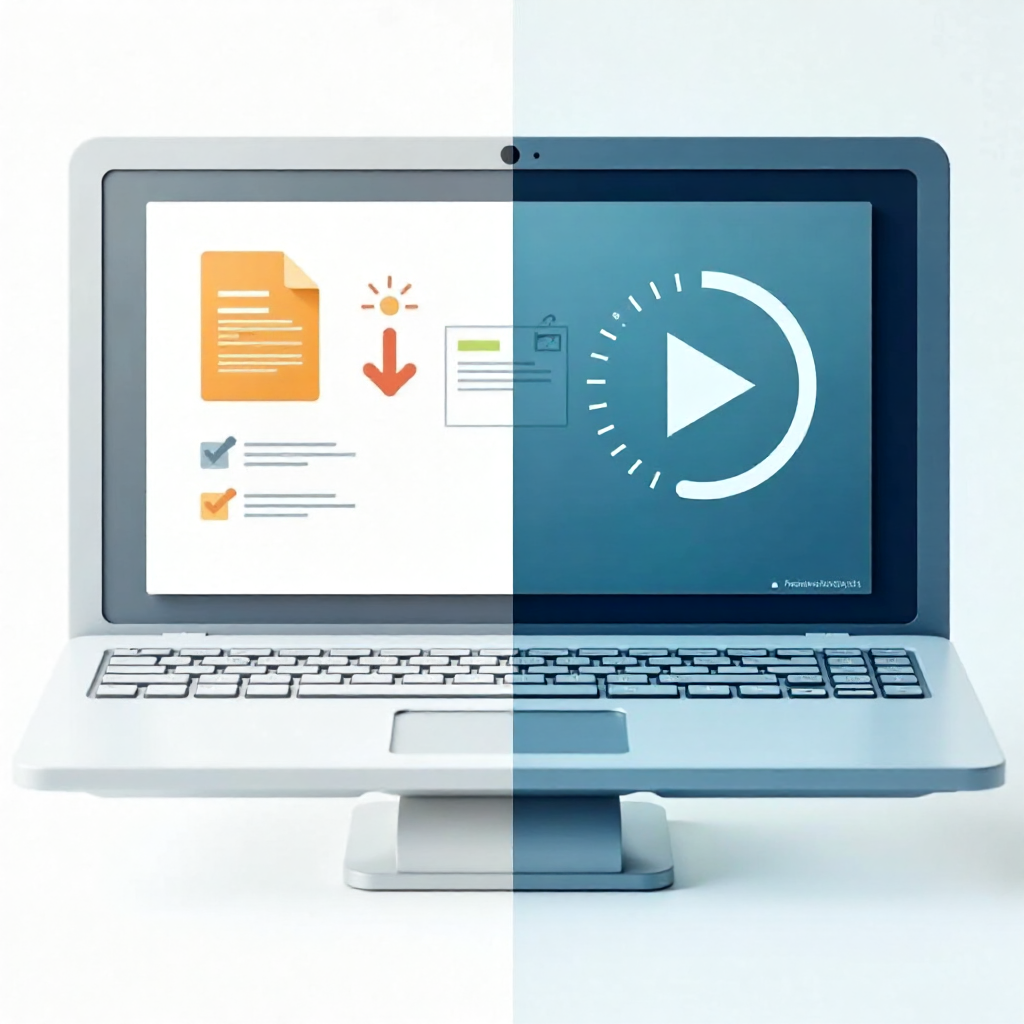
It really comes down to friction. Standard KYC onboarding means your first few days at a casino are spent waiting — waiting for a compliance team to manually review your documents, cross-reference details, and eventually approve your account. It's thorough. It's also painfully slow.
A no-KYC flow flips that entirely. You connect a crypto wallet or drop in an email address, fund your account, and you're spinning reels within seconds. The barrier is gone. Whether that's a feature or a warning sign depends entirely on how disciplined you are as a player.
Why German Players Are Searching for No-KYC Options in 2026
It's a fair question — why Germany, why now? The answer is sitting right there in the domestic regulatory framework. Since the GlüStV 2021 (Glücksspielstaatsvertrag) came into force, the licensed German market has imposed a hard €1,000 monthly deposit cap, the much-criticized 5-second rule between spins, and a flat ban on live casino games and several table game formats. For players used to a different experience, that's a lot of doors slamming at once.
And it's not just about gameplay. There are real data privacy concerns layered on top. A lot of players don't want their gambling patterns sitting in a national database somewhere. Slow verification on state-licensed sites doesn't help either — it adds insult to injury. I get why people look elsewhere. But I'd be doing readers a disservice if I didn't point out that leaving the regulated market carries trade-offs that are easy to underestimate when you're frustrated.
The Legal Landscape for German Players in 2026
Here's the legal reality, plainly stated. Under Germany's Interstate Treaty on Gambling, any casino operating legally inside Germany needs a German license and must follow strict player protection rules. Almost every no-KYC casino you'll encounter operates on an offshore license — Curaçao, Anjouan, Isle of Man. By German law, those platforms are unlicensed on German soil.
What that means practically: you're in a regulatory grey area. If a withdrawal gets frozen, a bet gets voided, or a bonus gets cancelled under shady pretenses, German consumer protection bodies can't help you. Your recourse is whatever the offshore operator's terms and conditions allow — and those terms are written to protect the operator, not you.
What Offshore Licenses Actually Cover
The Malta Gaming Authority runs a genuinely strong framework, but real no-KYC casinos almost never hold MGA licenses. European AML laws make that combination essentially impossible. What you'll see instead are Curaçao eGaming licenses, or bodies of similar standing. These do provide a baseline — RNG testing, some corporate accountability — but their enforcement reach stops at their own borders. If a German resident files a complaint against a Curaçao-licensed operator, active intervention is minimal at best. You're largely on your own.
What to Look for Before Signing Up at a No-Verification Casino
If you've weighed all of this and still want to move forward, your due diligence matters more here than it would anywhere else. These platforms aren't all the same. When I look at a new casino in this space, I run through a checklist that doesn't change. Licensing first — even an offshore license beats no license. Then I dig into player forums; community feedback in 2026 is genuinely useful for identifying platforms that drag their feet on payouts or hide nasty clauses in their bonus terms. I also look closely at payment security, withdrawal limits, and exactly how transparent the wagering requirements are written.
If you want a curated starting point rather than testing the waters blind, there are solid review resources out there. I'd suggest checking vetted comparisons to find an Online Casino ohne Verifizierung that's already been screened for payout speed, fair terms, and basic reliability.
Red Flags to Watch Out For
Protecting your bankroll starts with knowing what to walk away from. These are the warning signs I take seriously:
- Missing Licensing Information: No clickable license seal in the footer? Close the tab. A legitimate operator makes that verifiable.
- Abysmal Withdrawal Track Records: If multiple user reviews describe crypto cashouts taking weeks, the casino likely has a liquidity problem — not a processing delay.
- Lack of SSL Encryption: The padlock in your browser bar isn't optional. Without it, your connection data is exposed from the start.
- Predatory Terms: Any clause that lets the casino claim inactive balances after just a few weeks is a serious red flag — read that section carefully.
Payment Methods Commonly Used at No-KYC Casinos
Crypto runs this space. In 2026, Bitcoin, Ethereum, Litecoin, and stablecoins like USDT are the backbone of no-verification casino payments. They move fast, they're decentralized, and they don't require your name tied to a bank account anywhere in the chain. That's exactly why they're the preferred option — they sidestep the traditional banking infrastructure that triggers KYC requirements by default.
Some platforms still support e-wallets or prepaid vouchers, but there's a catch. The casino might not ask for verification — but Skrill, Neteller, and most major e-wallet providers will. So if you go that route, you're just shifting the identity check to a different door. And if you're using crypto, keep a close eye on network fees and conversion rates. Volatility in the market can quietly shrink your actual gambling budget before you've made a single bet.

Responsible Gambling Without the Safety Net
I'll be direct about this: no-KYC casinos mean gambling without the infrastructure designed to catch you if things go wrong. Germany's licensed market is connected to the OASIS self-exclusion registry — it's a real system that blocks problem gamblers from accessing state-approved sites. Offshore anonymous casinos don't connect to OASIS. There's no mandatory monthly deposit cap, and age verification is essentially the honor system.
If you play on these platforms, you are your own regulator. Nobody else is watching. My strong recommendation: set hard limits for yourself using third-party budgeting apps, and use whatever responsible gambling tools the casino does offer — session limiters, voluntary timeouts. If you start to feel like you're losing control, install gambling-blocking software on your devices. The casino won't step in. That's just not how these platforms are built.
The Bottom Line for German Players in 2026
The appeal is real. No-KYC casinos offer speed, privacy, and a kind of freedom that a lot of German players feel the GlüStV 2021 framework has taken away. But freedom without structure has a cost. You're trading away legal protection, real dispute resolution, and the responsible gambling safeguards that exist in the licensed market. That's not a small trade.
My take? Don't make impulsive decisions with your money here. You're navigating a genuine regulatory grey area as a German resident — know that going in. Treat deposits as entertainment spending, not investments, and don't leave significant balances sitting idle in an offshore, unverified account.
That said, the no-KYC space isn't standing still. Some offshore platforms are making genuine improvements — tightening security, raising fairness standards, earning player trust through track record rather than forced verification. Players who go in informed, set their own limits, and do the homework are in the best position to judge whether these privacy-first platforms actually make sense for how they gamble in 2026.